Pastry Chef Salary in 2026: What You Can Expect
 *
*
TL;DR:>
- The average salary for a pastry chef in the U.S. is about $56,520 annually, varying with experience, location, and employer type. Salaries can range from $42,390 for entry-level chefs to over $76,000 for senior or specialized roles. Major cities and luxury establishments pay the highest wages, but total compensation also includes benefits like meals and mentorship.*
The average salary for a pastry chef in the United States is $56,520 per year, with a full range of $42,390 to $76,302 depending on experience, location, and employer type. That spread is wider than most culinary job seekers expect. The job market for pastry chefs is projected to grow by 5%, generating roughly 19,100 openings annually. Whether you are eyeing a role at a boutique bakery or a luxury hotel, knowing where you fall in that range before you negotiate is the most useful thing you can do.
What factors influence the average salary for pastry chefs?
The pastry chef salary range reflects a profession with real earning variation, not a flat pay scale. Three variables drive most of that variation: experience, location, and the type of establishment you work for.
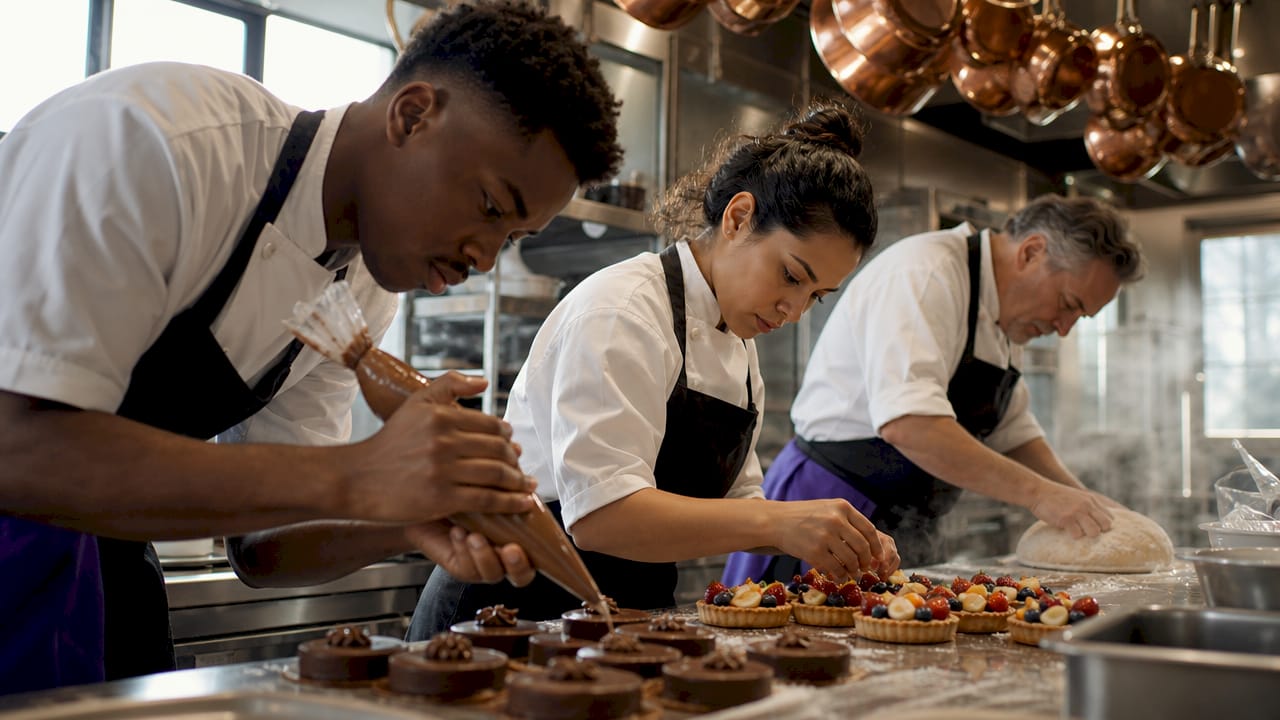 Establishment type is the single biggest lever. High-end restaurants, luxury hotels, and upscale bakeries pay significantly more than casual dining or general food service operations. A pastry chef at a five-star hotel in Chicago earns a fundamentally different wage than one at a neighborhood café, even if both hold the same job title.
Industry sector also matters beyond just "fine dining vs. casual." Hospitality groups, cruise lines, and corporate catering operations each carry their own pay structures. Hospitality and lodging tend to pay at the higher end of the pastry chef salary range because the volume and presentation standards are demanding.
Geographic location shapes pay in ways that go beyond simple cost-of-living adjustments. Urban culinary markets create competitive bidding for skilled pastry talent. A chef who can work in New York City or San Francisco will typically command a higher base wage than the same chef in a mid-size Midwestern city.
Establishment type is the single biggest lever. High-end restaurants, luxury hotels, and upscale bakeries pay significantly more than casual dining or general food service operations. A pastry chef at a five-star hotel in Chicago earns a fundamentally different wage than one at a neighborhood café, even if both hold the same job title.
Industry sector also matters beyond just "fine dining vs. casual." Hospitality groups, cruise lines, and corporate catering operations each carry their own pay structures. Hospitality and lodging tend to pay at the higher end of the pastry chef salary range because the volume and presentation standards are demanding.
Geographic location shapes pay in ways that go beyond simple cost-of-living adjustments. Urban culinary markets create competitive bidding for skilled pastry talent. A chef who can work in New York City or San Francisco will typically command a higher base wage than the same chef in a mid-size Midwestern city.
- Experience level: Entry-level roles start near $42,390; senior positions push toward $76,302.
- Establishment type: Luxury hotels and upscale restaurants pay the most.
- Location: Major metro areas offer higher wages but also higher competition.
- Specialization: Chefs with skills in sugar work, chocolate tempering, or French pâtisserie techniques earn more.
- Shift structure: Overnight and weekend shifts often come with pay premiums in unionized kitchens.
How does experience impact pastry chef salaries?
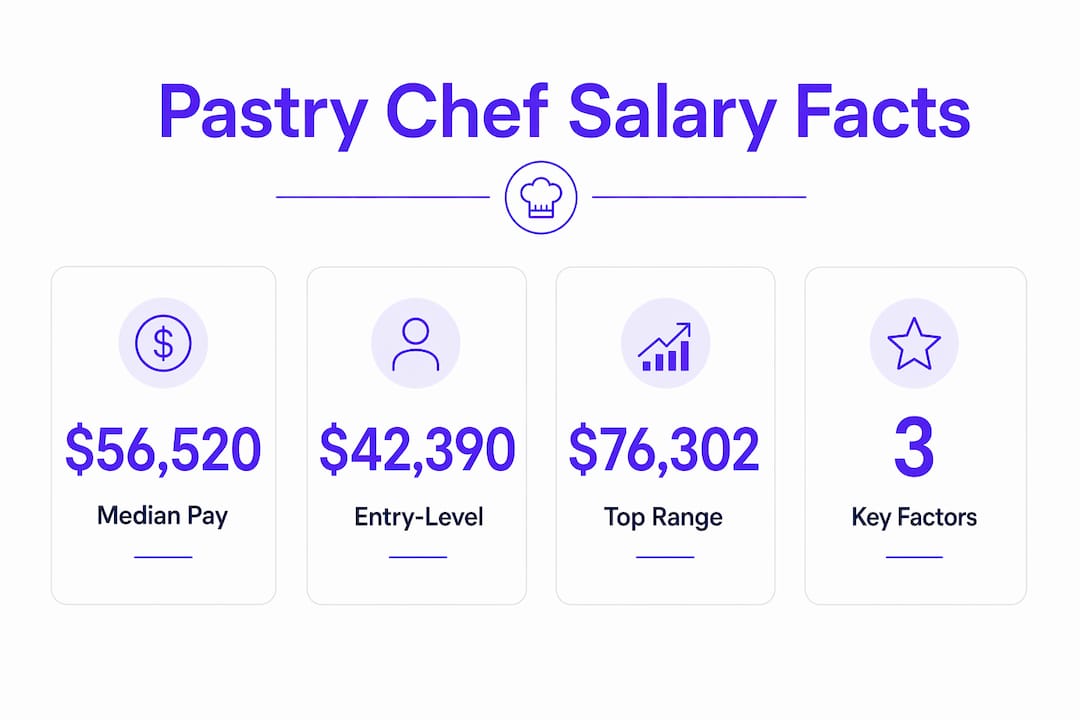
Experience is the clearest predictor of pastry chef compensation. Salary varies directly with experience level and specialization, with entry-level roles sitting at the low end and specialized senior positions at the high end.
Here is how the career arc typically breaks down:
- Entry-level pastry chef (0–2 years): Expect pay near the $42,390–$44,800 floor. These roles focus on production work: portioning, baking to spec, and learning kitchen systems. The learning curve is steep, but the exposure to professional technique is the real compensation at this stage.
- Mid-level pastry chef (3–6 years): Pay moves into the $50,000–$60,000 range. At this stage, chefs take ownership of specific menu sections, manage prep schedules, and begin developing original recipes. Employers reward consistency and reliability here.
- Senior pastry chef (7+ years): Senior pastry chefs with more than 7 years of experience command higher salaries by managing food costs and leading kitchen teams. This is where compensation can push toward or past $76,302, especially in executive pastry chef roles at major hotel groups or restaurant groups.
- Executive pastry chef: This title signals full departmental ownership, including hiring, budgeting, and menu development. Pay at this level often exceeds the standard range and may include bonuses tied to food cost targets.
Specialized credentials accelerate this progression. Certifications from the American Culinary Federation, formal training at institutions like the Culinary Institute of America or the French Culinary Institute, and competition wins all signal credibility to high-paying employers. Pro Tip: Document every specialty skill you develop, from laminated doughs to plated dessert design. A specific portfolio of techniques gives you concrete negotiating points when discussing pastry chef average pay with a new employer.
Regional salary differences for pastry chefs in the United States
Location shapes pastry chef earnings more than most career guides admit. Urban centers like New York City and San Francisco pay higher wages due to competitive culinary markets and higher living costs. That premium is real, but so is the cost of living that comes with it.
The table below shows approximate annual salary ranges for pastry chefs across selected U.S. markets, based on current wage data.
| Market | Approximate Annual Range | Notes |
|---|---|---|
| New York City, NY | $55,000–$76,000+ | Dense fine dining scene, high competition |
| San Francisco, CA | $54,000–$74,000 | Strong hospitality demand, high cost of living |
| Chicago, IL | $50,000–$68,000 | Active restaurant market, lower cost than coastal cities |
| Austin, TX | $46,000–$62,000 | Growing culinary scene, lower cost of living |
| Rural Midwest | $42,000–$52,000 | Fewer upscale venues, lower competition |
The practical takeaway: target cities where the culinary scene is growing, not just where it is already established. Markets like Austin, Nashville, and Denver offer rising wages with lower competition than New York or San Francisco.
What additional benefits affect overall pastry chef earnings?
Base salary tells only part of the story. Total pastry chef compensation includes a set of non-monetary benefits that carry real financial value, especially early in a career.
- Shift meals: Most professional kitchens provide staff meals. Over a full year, this benefit can offset hundreds of dollars in personal food costs.
- Uniform and equipment allowances: High-end establishments often cover knife kits, chef whites, and specialty tools. These costs can run $500–$1,000 out of pocket if you pay them yourself.
- Mentorship access: Working under a recognized pastry chef accelerates skill development in ways that formal schooling cannot replicate. Mentorship opportunities under renowned chefs are a documented part of compensation packages at top establishments.
- Training and travel: Some luxury hotel groups send pastry staff to training programs, trade events, or supplier visits. This exposure builds both skill and professional network.
- Health benefits and paid time off: These vary widely. Corporate hospitality groups and hotel chains tend to offer stronger benefits packages than independent restaurants.
One factor that career guides often underplay: title inflation varies widely. A "pastry chef" title at a small bakery and the same title at a luxury hotel can differ enormously in responsibility, pay, and hours. Evaluate any offer by looking at the actual workload, the number of covers served, and the team size you will manage. A lower base salary at a prestigious establishment may deliver more career value than a higher base at a low-volume operation.
Work hours are another real consideration. Pastry kitchens typically start early, often before 4:00 AM, and holiday seasons bring extended shifts. Factor that reality into your salary expectations before comparing pastry chef average pay to other culinary roles.
Key Takeaways
The average salary for a pastry chef in the U.S. is $56,520 per year, but experience, location, and establishment type can push that figure anywhere from $42,390 to over $76,000.
| Point | Details |
|---|---|
| National median pay | The median annual salary for U.S. pastry chefs is $56,520, with a range of $42,390 to $76,302. |
| Experience drives growth | Senior chefs with 7+ years earn the most by managing food costs and leading teams. |
| Location matters | Major metro markets like New York City and San Francisco pay $10,000–$20,000 more than smaller markets. |
| Establishment type is key | Luxury hotels and upscale restaurants pay significantly more than casual dining or small bakeries. |
| Total compensation counts | Shift meals, mentorship, and training add real value beyond the base salary figure. |
Salary expectations and the reality of pastry work
By Joelen ZyoktovaThe salary numbers for pastry chefs are honest, but they do not capture the full picture of what this career costs and what it pays back. I have seen talented pastry professionals walk away from well-paying positions because the hours and the lifestyle did not match what they expected when they took the job.
The most common mistake I see is treating the top of the salary range as the target without accounting for the path to get there. Reaching $70,000 or more as a pastry chef typically requires seven or more years of consistent work, often in demanding environments with early mornings and holiday blackouts. That is not a reason to avoid the career. It is a reason to plan for it honestly.
My practical advice: use location data actively, not passively. If you are early in your career, consider a mid-tier culinary market where competition is lower and mentorship is more accessible. Build your specialty portfolio there, then move to a higher-paying market once you have the credentials to compete for senior roles. Chasing New York City wages at year two usually means taking a production role with limited creative input.
Negotiation is also underused in this profession. Most pastry chefs accept the first offer. Salary Atlas publishes BLS-sourced wage data by occupation and state, and walking into a negotiation with that data in hand changes the conversation. Know your market rate before you sit down.
The artistic nature of pastry work sustains demand even as automation affects other food service roles. That is a genuine long-term advantage. Use it by building a specialty that is hard to replicate, whether that is advanced sugar work, fermented doughs, or high-volume plated dessert production.
— Joelen Zyoktova
Salary Atlas makes pastry chef pay research straightforward
Knowing the national median is a starting point. The real work is understanding how your specific state, city, and experience level shift that number before you walk into a negotiation.

Salary Atlas publishes U.S. wage data sourced directly from the Bureau of Labor Statistics, with no paywall and no fabricated trends. Every figure links back to its original source. You can browse pastry chef pay by state or explore the full salary database by job title to benchmark your current offer or plan your next career move. The data refreshes annually, so the figures you use reflect the current market, not last decade's averages.
FAQ
What is the average pastry chef salary in the U.S.?
The average salary for a pastry chef in the United States is $56,520 per year. The full range runs from $42,390 at the entry level to $76,302 for senior and specialized roles.
How much do entry-level pastry chefs make?
Entry-level pastry chefs typically earn between $42,390 and $44,800 annually. Pay rises with demonstrated skill, specialization, and years of professional kitchen experience.
Which cities pay pastry chefs the most?
New York City and San Francisco consistently rank among the top paying cities for pastry chefs, with annual wages often reaching $74,000 or more. Higher pay in these markets reflects both the competitive culinary scene and the elevated cost of living.
Does establishment type affect pastry chef pay?
Yes. Luxury hotels, high-end restaurants, and upscale bakeries pay significantly more than casual dining or general food service operations. The same job title can represent very different pay and responsibilities depending on the employer.
Is the pastry chef job market growing?
The pastry chef job market is projected to grow by 5%, with approximately 19,100 openings expected annually. Demand remains steady because the hands-on, artistic nature of pastry work limits the impact of kitchen automation.